
Hacking the Climate Crisis, Part II: Impact Ventures
So how would we revamp some of the outdated economic structures to deal with this climate change problem?
And how would we get access to the best teams and resources, and aim them toward solving some of our most pressing global issues?
Here we discuss the importance of impact ventures in addressing the void that other agencies and organisations have missed. Impact venture, mission-driven business, or social enterprise is regarded almost as a fourth sector-outside that of government, commercial, and non profit.
Simply put, impact venture is viewed as a blend of the charity and the commercial model.
Here is an example:
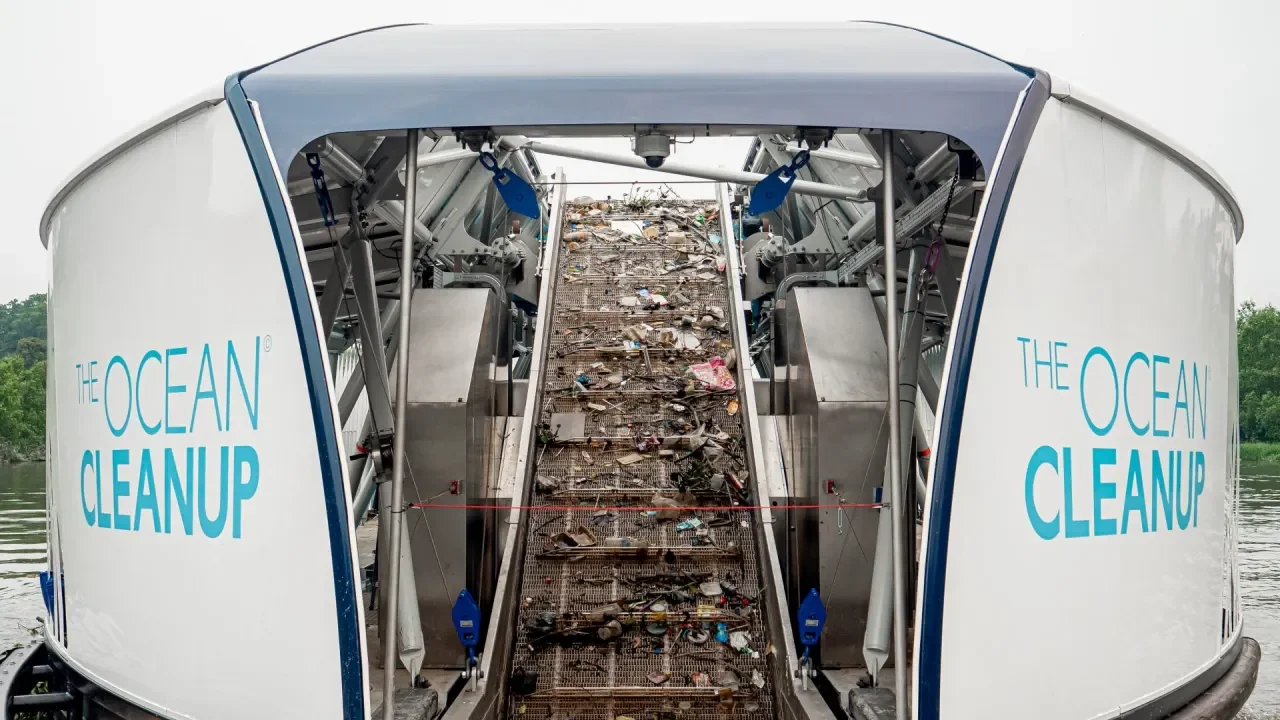
The Ocean Cleanup, an impact venture from Delft, Netherlands
Ocean Cleanup is an initiative to remove plastic from the oceans of the world.
Until a few years ago, it only existed in the mind of a high school teenager from the Netherlands named Boyan Slat. He founded it in 2013 at 18 years old. One might be forgiven for thinking: if he can do this, why can’t anyone?
Unfortunately, having a successful startup that makes it past a prototype is some sort of secret sauce. Beyond business plan pitches, getting impact investors on board, and probably working like an unloved son to get it designed and built.
It often manifests to the general public as a one in a hundred combined chance of perseverance, inspiration, timing, luck, and determination. And many have some sort of unfair advantage, which is quite helpful but no guarantee of survival. That’s why many refer to these hugely successful startups turned billion dollar company as ‘Unicorns’.
For every one of these, there are hundreds that don’t manifest. And mostly it comes down to money. Or— lack thereof.
But we need more Impact Unicorns like Ocean Cleanup. A herd of Impact Unicorns would be great right about now. But how hard are these to create? And who is going to fund all of these?
What we may want instead is to breed a herd of of Impact Camels. Real animals designed to weather the desert of funding. Or maybe just horses.

Mythical startup animal-the Camelcorn
Whatever you call them, we need more mission-driven ventures out there. And it is likely they will need to be sustainable and self supporting.
Impact Venture Tip 1: Use Slicing Pie
Popcorn uses Slicing Pie for its ventures and that’s because it works.
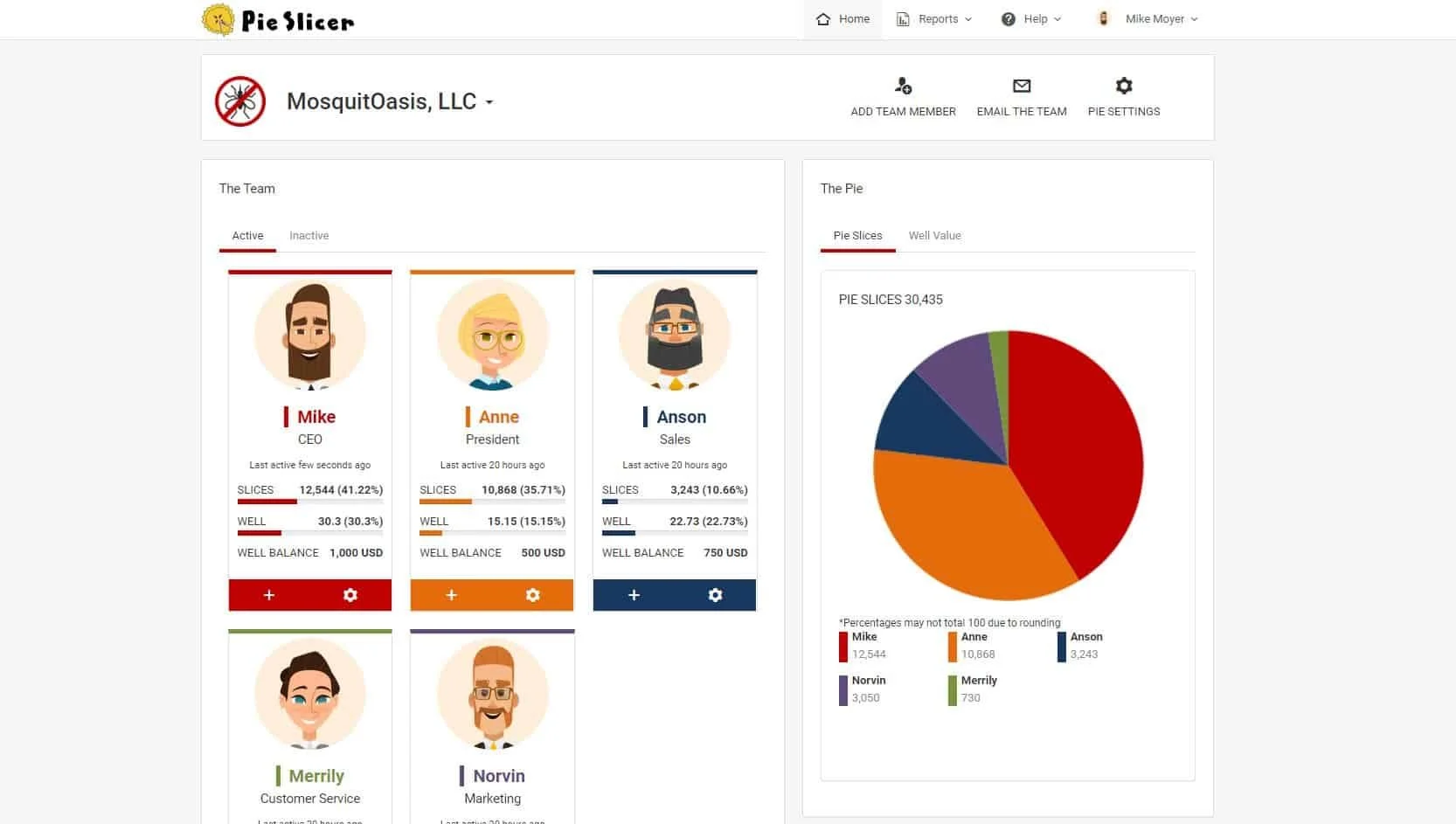
Slicing Pie was written by a US professor named Mike Moyer. It is a thin book that describes a fair system for founders to account for their value in the business.
It is basically at its core, a spreadsheet that assigns an hourly rate to each ‘grunt’ and records everyone’s involvement in relation to all team members, so that founders get a good understanding of how much contribution everyone has made. This ultimately decides things like ownership and shares allocation, when it comes time to ‘bake the pie’ defined as the time a funding event is achieved.
A good read for any aspiring founder, but especially relevant for these kinds of businesses.
The system worked well for the Popcorn ventures like oDocs Eye Care, which sought to prevent blindness by developing smart phone diagnostic tools.
It generated momentum. It leveraged financial resources. It allowed us to build prototypes and win awards which helped our marketing.
However, on the downside, there are accounting intricacies. It wasn’t perfect and won’t be for every founding team. But there are core ideas that can be adapted and used with discretion.
What Slicing Pie offers is a way for impact ventures to more easily self-fund or bootstrap until they build enough momentum to raise capital.
This way there is less dependence on investors. This is helpful for several reasons.
Firstly, there isn’t a lot of investment floating around New Zealand on a good day. Impact investors are fewer. Even fewer are ones that support hardware or other technically challenging risky ventures. It takes a certain kind of someone to gain the confidence of these few remaining impact investors. But even if you find them, chances are the venture will need more than what they have on hand. This method helps you leverage the capital to its utmost potential.
Secondly, New Zealanders have a lot of latent talent and disposable income. They are culturally entrepreneurial and are raised on a can-do maker mentality. New Zealanders can really afford to self-fund some of these ventures by leveraging their awesome real estate gains and other assets. Also many people have a decent private and professional network. Couple that network with this method and this may be a very healthy and likely mechanism for the initial growth phase.
Thirdly, as an impact venture you are aligning yourself with NGOs, Government, and other agencies tasked with solving these issues.
Some government agencies would be interested in many of the outcomes of a plan like this: seeding environmental initiatives projects, accelerating small businesses, and help solving the UN SDG goals they are tasked with themselves. And they don’t need to fully support it through its lifecycle, just support the first phase of the journey until the team can reach critical mass and sustainability.
Society’s incentives: A climate conscious workforce
There’s a sneaky side effect to this as well. Being climate conscious isn’t exactly easy. It’s an effort. It takes a strong will. And it’s a process, not an immediate change. Working in an industry that demands to support it will eventuate a shift in perspective.
I am a working mom, and I didn’t really want to spend extra time waiting for buses, going to the re-fillery, reusing and recycling packaging, composting, and eliminating convenient food. But, like cutting out sugar and exercising, the more I did, the easier it got.
And if you are invested into a climate-driven project, you cannot help but learn about the role of CO2 and the terrible effects of plastic. You research and understand things more deeply. If you are a climate entrepreneur, you can’t be seen driving your husband’s retro Porsche 911 around town. In fact, can you even have a husband with a retro sports car? A question some may ponder.
Your personal incentives: beyond doing good work
Let’s be clear, however, that what I am proposing is not a formula without risk. I am suggesting a methodology to what could be a movement toward bettering the planet using people’s time. People out there that have the passion to start their own business but need support. But the flipside is that there is a possibility that this could not work out. It isn’t a given and a lot of effort will be needed on the part of the individual and it may come to nought. I suggest that if it is applied to something they care about, it will be worthwhile no matter what.
But the upside may also be worth the risk. A better lifestyle, more engagement in your work, and to meaningfully contribute toward a better future.
At some point, if successful, you will be helping run a business which you have wrote yourself into a role you actually want. Not only that, you may also be making some money, having invested in a socially conscious business.
It becomes a way to invest in your family’s financial future with time, instead of money.
Most people have an extra 10 hours a week. Instead of working, why not spend that time on a venture or initiative that could help save the world.
This method can help educate our communities and spreads the message of making the change in our society that is required-a climate mindset. It can pass from person to person, in a meaningful way. You can inspire others to join in and make a change for themselves, their community, and their organisations. And do this while investing in your future and the future of the planet. Because there is no point to investing into retirement funds like Kiwisaver if we aren’t around in the next couple of decades to enjoy it.